
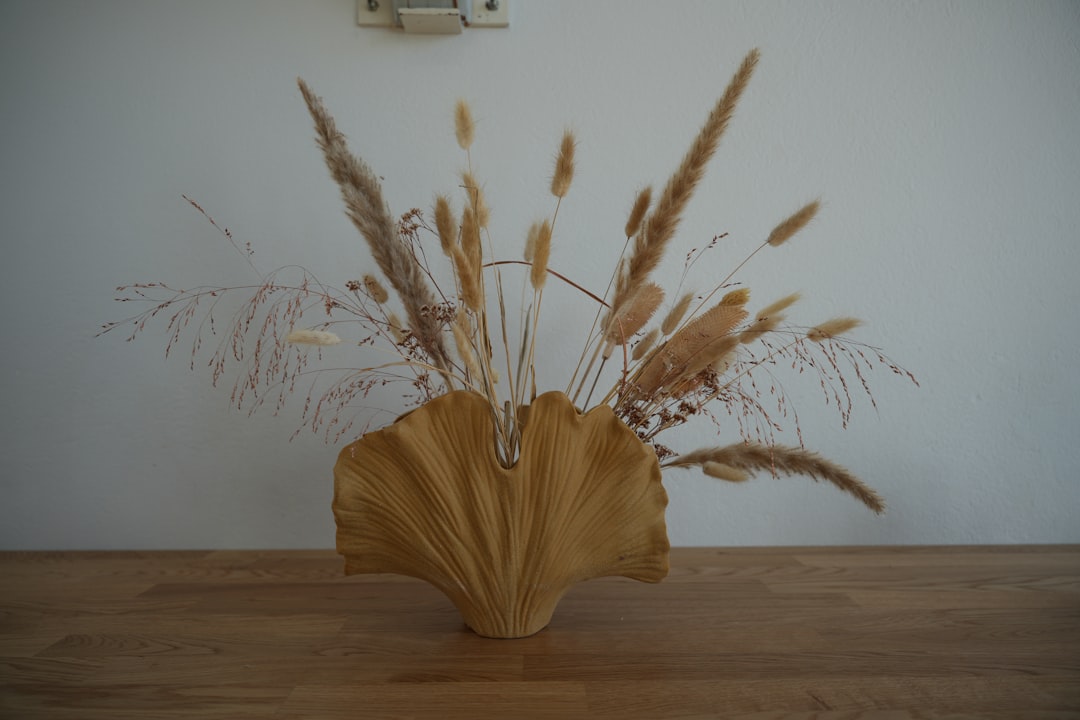
Interior design is an intricate dance of colors and textures that can transform a space from ordinary to extraordinary. Understanding how to mix these elements effectively is crucial for creating a harmonious environment that reflects personal style and enhances functionality. At Vivid Nest Shop, we specialize in providing tailored solutions that cater to your unique design needs, ensuring that every project resonates with your vision.
The Importance of Color in Interior Design
Color plays a pivotal role in setting the mood and tone of any space. According to recent studies, 85% of consumers make purchasing decisions based on color alone, highlighting its significance in design. By choosing the right color palette, you can evoke emotions, create illusions of space, and even influence behavior. For instance, warm colors like reds and oranges can energize a room, while cool colors such as blues and greens promote calmness and relaxation.
Moreover, the psychology of color can guide your choices in both residential and commercial spaces. In a home, soft hues can create a serene atmosphere, ideal for bedrooms and living areas, while vibrant shades can invigorate kitchens and playrooms. In commercial settings, colors can enhance brand identity and customer experience, making it essential to align your color choices with your overall objectives.
Textures: Adding Depth and Interest
While color sets the mood, texture adds depth and visual interest to your interiors. Mixing various textures can create a layered look that feels inviting and dynamic. For example, pairing a sleek leather sofa with a chunky knit throw and a rustic wooden coffee table can create a balanced and engaging aesthetic. This interplay of textures not only enhances the visual appeal but also adds tactile experiences that make a space more enjoyable.
Incorporating textures can also help define different areas within an open floor plan. Using contrasting materials, such as smooth glass and rough stone, can delineate spaces while maintaining a cohesive design. This technique is particularly effective in modern homes where open layouts are prevalent, allowing for both functionality and style.
Practical Applications of Color and Texture Mixing
When it comes to practical applications, understanding how to mix colors and textures can significantly impact your design outcomes. For instance, in a small apartment, using light colors on walls can make the space feel larger, while darker accents can add depth. Additionally, incorporating various textures through textiles, furniture, and decor can create visual interest without overwhelming the space.
In commercial design, the strategic use of color and texture can enhance customer engagement. For example, a retail store might use bright colors to attract attention and encourage browsing, while soft textures in seating areas can invite customers to linger longer. This thoughtful approach not only improves aesthetics but can also lead to increased sales and customer satisfaction.
Trusting the Experts at Vivid Nest Shop
At Vivid Nest Shop, we understand that mixing colors and textures is both an art and a science. Our team of experienced designers is dedicated to helping you navigate these complexities to achieve your desired outcome. With our comprehensive services, including color consultation and custom furniture design, we ensure that every element of your space works in harmony.
Key Insight: Recent market research indicates that well-designed spaces can increase property value by up to 20%. This statistic underscores the importance of investing in professional design services that prioritize color and texture integration. By choosing Vivid Nest Shop, you are not only enhancing your living or working environment but also making a sound investment in your property’s future.